Top Things to Do in Montanejos: Sights & Attractions Guide
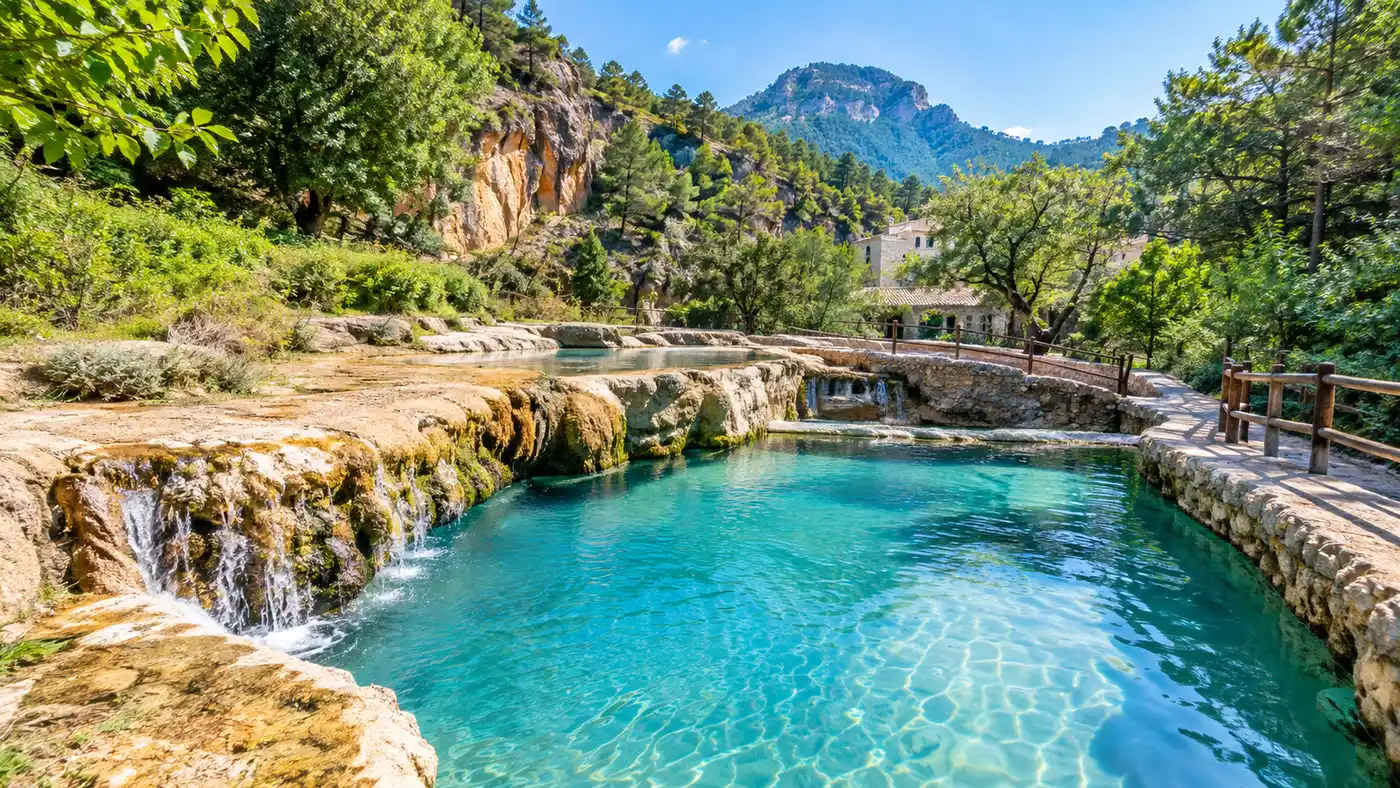
Most travelers head straight to the Mediterranean coast when landing in eastern Spain, which leaves places like the Alto Mijares region feeling wonderfully detached from mass tourism during the workweek. I first stumbled into this mountain village five years ago on a hot Tuesday in October. If you are researching things to do in montanejos, you have probably already seen photographs of limestone cliffs towering over pale green water. It actually looks like that. Yet beyond the famous thermal springs, there is a rough, dramatic landscape carved by mountain torrents, sleepy stone streets, and deep caverns that reward anyone willing to look a little closer.
The town itself is home to fewer than 600 year-round residents, but on summer weekends that number swells dramatically. Knowing where to step and when to dodge the crowds makes all the difference between a frustrating day trip and an unforgettable escape into inland Castellón. This guide breaks down the essential sights, hidden river corners, scenic lookouts, and practical details you need to plan your time well.
Soaking in Fuente de los Baños and the Mijares River
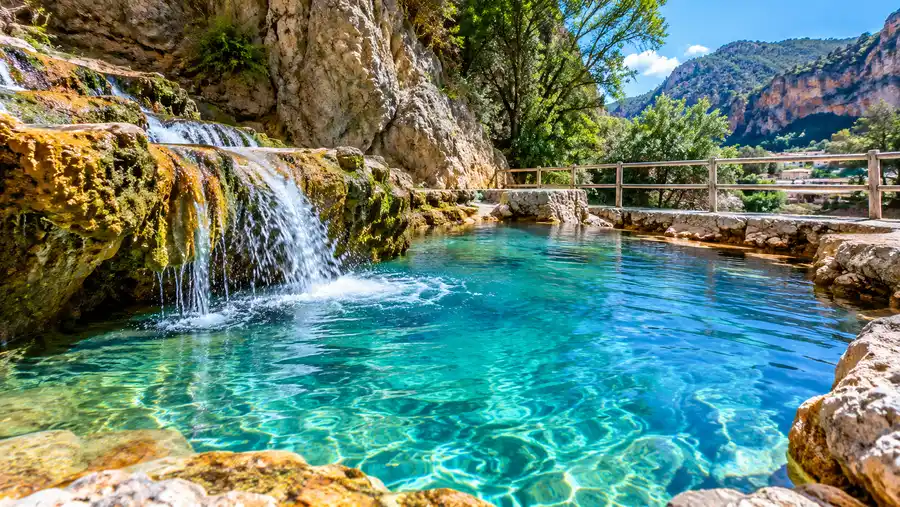
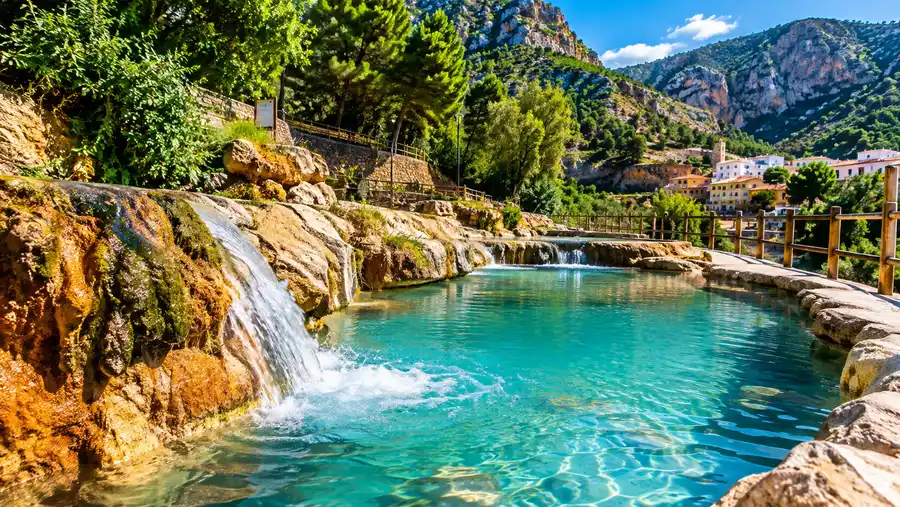
The natural spring known as Fuente de los Baños is the undisputed centerpiece of any itinerary here. Around 6,000 liters of spring water pour out of the rock every minute at a constant temperature of 25°C. That means while winter air might bite your cheeks, the water stays warm enough for a dip all twelve months of the year. The riverbed here forms wide, deep natural pools ringed by sheer limestone walls where swallows nest in spring. Local lore claims an Arab governor named Abú Zayd had his court women bathe in these waters to preserve their youth, and while that might be local folklore, the high magnesium and bicarbonate content really does leave your skin feeling remarkably soft.
You can walk right down to the gravel banks along the rio de montanejos from the northern edge of the town center. The walk takes roughly 15 minutes along a paved footpath shaded by pine trees. During July, August, and holiday weekends, local authorities manage access by charging an entry fee of around 3.50 euros online or 4 euros at the gate to keep numbers manageable. If you plan to swim during peak summer, you should check out our guide on Fuente de los Baños tickets and visiting hours so you do not get turned away at the gate when capacity caps out.
Pro tip: Walk 150 meters downstream past the wooden footbridge where the current picks up. The limestone floor narrows into gravel bars where almost nobody sits, even at midday.
If you prefer a quieter swim without paying an entrance fee, follow the river further down toward the thermal spa area. The montanejos rio winds its way toward the village of Cirat, offering small gravel spits between shallow riffles. Families spread out picnic blankets here under poplars, kids catch small minnows with plastic cups, and the atmosphere feels deeply Spanish, free from turnstiles and security guards.
Book your hot springs of montanejos experience:
El Chorro: The Roaring Reservoir Spillway
About four kilometers upstream from the village sits the Arenoso dam. It holds back millions of cubic meters of water, but what draws travelers is el chorro montanejos, the massive horizontal spillway jetting out from the cliff face. When the floodgates open, water shoots horizontally across the canyon at over 40,000 liters per second, smashing against the rocky canyon wall opposite before plunging into the gorge below. The air fills with thick, cold mist that drifts across the road, cooling you down instantly on a 35°C July afternoon.
Standing near the chorro de montanejos is mesmerizing. The sheer acoustic power vibrates through the soles of your shoes. Even when the spillway operates at lower capacity, the sight of this artificial montanejos waterfall crashing into the river canyon creates incredible photo opportunities. A small pull-off along the CV-20 road lets you park for free for about 20 minutes to take pictures and watch the spray rainbows form in the morning sun.
You can also walk to the spillway from town along the Sendero de la Bojera hiking trail. The path hugs the top edge of the Maimona ravine before dropping toward the road near the dam. Walking gives you perspective on just how deep these gorges run, though the final roadside stretch requires paying close attention to oncoming vehicles along narrow shoulders.
Hiking the Maimona Ravine and Cueva Negra
Hikers asking qué hacer en montanejos will find that the surrounding mountains offer world-class trails. The most famous single walk is the climb up to cueva negra montanejos, a cavern with an entrance mouth stretching nearly 25 meters across. It sits tucked into the limestone crags directly above the village. Prehistoric tools found inside show that humans sheltered here during the Paleolithic era, likely warming themselves by fires safe from wind and predators.
Reaching the cave takes around 45 minutes of steady uphill walking along a switchback trail from the village cemetery. The path is rocky, so leave flip-flops in your car trunk and pull on proper trail runners. Once inside, daylight fades quickly, revealing cavernous chambers filled with massive limestone blocks that detached from the ceiling thousands of years ago.
Note: The final slope inside Cueva Negra has very slick clay mixed with dust. Wear shoes with deep rubber lugs, or you will slide down on your backside like I did.
Those wanting a bigger challenge should tackle the full Barranco de la Maimona circuit, often called the Sendero de la Bojera. Covering roughly 8.5 kilometers, it delivers views of jagged vertical walls favored by rock climbers from across Europe. If you enjoy ropes, harness work, or canyon trails, read our full rundown on hiking, climbing, and outdoor activities in Montanejos to map out your routes before arriving.
- La Bojera Trail: 8.5 km loop, moderate difficulty, 3.5 hours, rewarding canyon vistas.
- Cueva Negra Out-and-Back: 3.2 km total, steep climb, 1.5 hours, accessible directly from town.
- Sendero de los Estrechos: 5.5 km river walk, easy to moderate, follows the narrowest section of the Mijares gorge.
- Los Calpes Peak: 11 km mountain route, demanding elevation gain, best in cool autumn weather.
Village Sights, Local Food, and the Tren Turístico
Beyond the water and the crags, Montanejos has a quiet mountain personality worth slowing down for. The town squares are tiny, cobblestone lanes wind upward toward old farm terraces, and elderly villagers gather on plastic chairs outside their doorways every afternoon around five. A short walk brings you to the 17th-century parish church of San Jaime and the remnants of the Arab defense tower, which stands integrated into a private house near the main square.
Families traveling with small children or older relatives often hop on the tren turistico montanejos. This small road-train trundles along the main street and heads up toward the outskirts, offering audio commentary on the history of the hot springs, the dam construction, and the river ecology. It is touristy, sure, but on days when your legs are tired from clambering over boulders, it provides a pleasant way to view the valley without breaking a sweat.
Dining here centers on robust inland cuisine. You will not find paella with prawns in these hills. Instead, menus feature slow-cooked stews, roasted lamb ribs, wild boar sausages, and artisanal cheeses produced in nearby villages like Almedíjar. Stopping at a roadside bakery for pastissets de boniato (sweet potato pastries) or picking up a jar of local rosemary honey is easily among the best quick treats when you visit montanejos.
Book your hot springs of montanejos experience:
Festivals and Cultural Highlights
If you prefer an energetic scene, timing your visit around a local montanejos festival completely changes the experience. The most famous modern gathering is dias de campo montanejos, an intimate electronic and indie music festival held right against the backdrop of pine forests and river banks. The event attracts a design-conscious crowd who dance under wooden canopies by day and camp in surrounding groves at night. Planning is already underway for dias de campo montanejos 2026, which promises to expand community workshops and environmental restoration initiatives alongside its curated musical lineup.
Traditional village fiestas happen during late August and early September. These patron saint celebrations feature brass marching bands, communal paellas cooked over wood fires in the town plazas, and the traditional running of the heifers through the main street. Finding lodging during these weeks requires booking months ahead, as family members from Valencia and Castellón return home, filling every rental bed in town.
Anyone wondering q ver en montanejos during slower seasons should look for smaller events like the artisanal cheese market in autumn or mushroom foraging outings organized by regional forestry groups every November. Even on quiet weekends, the blend of mountain culture and clean air makes the town center a relaxing base.
Comparing the Main Montanejos Attractions
To help you choose what to do in montanejos based on your group's fitness level and free time, here is an honest overview of the primary sights across the municipality:
| Attraction | Typical Time | Entry Cost | Best For |
|---|---|---|---|
| Fuente de los Baños | 2 to 4 hours | 0 to 4 euros | Swimming, sunbathing, scenic views |
| El Chorro Dam Spillway | 30 minutes | Free | Spectacular photos, cooling mist |
| Cueva Negra | 1.5 hours | Free | Moderate hikers, history buffs |
| Sendero de la Bojera | 3 to 4 hours | Free | Active hikers, landscape views |
| Balneario Thermal Spa | 2 hours | 18 to 35 euros | Hydrotherapy, quiet relaxation |
| Tren Turístico | 45 minutes | 4 to 6 euros | Families with young kids, seniors |
Tips for Navigating the Town and Gorge
Before putting on your walking boots, keep in mind that the gorge geography creates unique logistical quirks. Cellular reception vanishes in deeper sections of the Maimona canyon and near the riverbanks behind tall rock walls. Download your offline maps ahead of time.
- Footwear choices: pack water shoes with rigid soles because the riverbed rocks are slippery and sharp.
- Parking strategy: use the designated municipal gravel lot near the town sports center instead of squeezing into narrow village alleys.
- Cash vs card: while restaurants take contactless cards, small fruit stands and the river snack kiosks often run into network dropouts. Carry twenty euros in pocket change.
- Sun protection: the sun reflects aggressively off light-colored limestone canyon walls, making sunburn possible even on mild spring mornings.
Knowing que hacer en montanejos also depends on water releases from the dam. If high rainfall forces engineers to release heavy water volumes into the lower river, swimming zones occasionally close for safety. Pay attention to yellow warning flags posted near footbridges.
Book your hot springs of montanejos experience:
Frequently Asked Questions about things to do in montanejos
What is the single best attraction to see in Montanejos?
The thermal pools at Fuente de los Baños are the top sight. The constant 25°C water temperature, crystal clear river floor, and surrounding canyon walls make it the focal point of the area.
Can you visit Montanejos without swimming?
Yes. The village offers beautiful scenic drives, panoramic hiking routes through the Maimona gorge, prehistoric caves, and quiet mountain gastronomy that make it worth visiting even in freezing winter temperatures.
How long do you need to see all the highlights?
A full day is sufficient to swim at the springs, see El Chorro, and walk up to Cueva Negra. Spending two days allows you to complete a long mountain hike and enjoy an evening meal in the village plaza without rushing.
Quick Reference
- Water temp: 25°C constant
- Spillway volume: up to 40,000 L/sec
- Hiking terrain: rocky limestone trails
- Best swimming: May to October
- Town population: under 600 residents
Worth the Trip?
Inland Valencia and Castellón often get dismissed as dry scrubland by those who only stick to toll highways. Montanejos shatters that assumption completely. Whether you spend your hours wedged into a river canyon floating on your back or pushing your calf muscles up to Cueva Negra, it offers an authentic, untamed slice of Mediterranean mountain life that stays with you long after the dry dust washes off your boots.
Read more about hot springs of montanejos.